I Created a Professional Alaska Guided Tour Proposal: 5 Surprising Lessons for Any Traveler
Alaska. The name itself conjures images of immense glaciers, untamed wilderness, and a scale of nature that’s hard to comprehend. It’s a bucket-list destination for adventurers, a place where you can witness grizzly bears, cruise past towering walls of ice, and see North America’s highest peak touch the sky. It is, without a doubt, the trip of a lifetime.
But with that epic scale comes an equally epic planning challenge. For a destination so vast and varied, where do you even begin? How do you connect the dots between Denali National Park, the coastal glaciers of Prince William Sound, and the unique towns scattered across the state? The logistics can feel overwhelming, quickly turning the dream into a daunting puzzle.
Recently, I had the opportunity to plan a detailed, professional travel proposal for a 7-day guided tour of Alaska. In deconstructing how an expert builds an itinerary, I uncovered several surprising and incredibly valuable lessons that can help any traveler. This post shares the five most impactful takeaways that transform how we can plan your own Alaskan adventure.
1. Guided Tours Can Be Surprisingly Smart (and Affordable)
Many independent travelers instinctively assume that a Do-It-Yourself trip is always the cheaper option. However, for a destination as complex and expensive as Alaska in the peak summer season, a professionally guided tour can be a more cost-effective and strategic choice. The proposal I created made a compelling case, realizing that a DIY approach would put my clients well over their budget, whereas the guided tour was comfortably within their price range. This is because tours consolidate major expenses like transportation, lodging, and activities, distributing the cost across a larger group.
The proposed 7-day tour, which covered multiple destinations from Anchorage to Denali and Valdez, was priced around $8,500 for two people and was provided through Cosmos, a leading guided tour company that’s part of the Globus family of brands. This figure included accommodations, a tour guide, charter bus transportation, a whale watching tour, scenic rail rides, a significant number of activities, and even round-trip flights from the East Coast. When you consider the high cost of booking peak-season Alaskan hotels (even your most basic brands can charge up to $500 per night), rental cars, train tickets, and cruises independently in Alaska's short summer season, the value becomes clear.
Beyond the budget, the convenience factor is a massive, often underestimated benefit. Having an expert guide handle all the logistics—from driving to check-ins—removes the stress of navigating an unfamiliar, vast territory. It allows you to focus purely on the experience.
The best part is, you can just sit back and relax in a comfortable motorcoach seat, look out the large windows, and take it all in with no responsibility. The tour guide will handle the rest.
2. The Most Important Days Might Be the Ones Before and After Your Tour
This was one of the most subtle yet smart strategies in the proposal. The 7-day tour was bracketed by separate, individual hotel bookings for the night before the tour officially started and the day it officially ended. These "buffer days" are a game-changer for long-haul travel.
The rationale was simple but profound. The pre-tour booking gives travelers a full day to relax and recharge after a long transcontinental flight. The post-tour booking solves a common travel puzzle: the tour officially ended in the morning, but the return flight wasn't until the midnight redeye. By securing a hotel room for that entire final day and night, travelers had a comfortable home base to store luggage, rest, and decompress before the stressful rush to the airport for a red-eye flight.
This is a powerful planning tip that is often overlooked in the excitement of scheduling activities. Building in a day to acclimate on arrival and decompress before departure can prevent travel fatigue from ruining the beginning or end of your hard-earned vacation. It’s a small detail that makes a huge difference in the overall quality of the trip.
3. It’s Not Just a Bus Ride—It’s a Multi-Modal Expedition
A common misconception about guided tours is that you'll spend the entire time staring out the window of a single bus. This Alaskan itinerary completely dispelled that notion by incorporating a variety of transportation methods, each chosen to provide the best possible experience for a specific part of the journey. This wasn't just a bus trip; it was a true multi-modal expedition.
The itinerary seamlessly blended several distinct travel experiences into one trip:
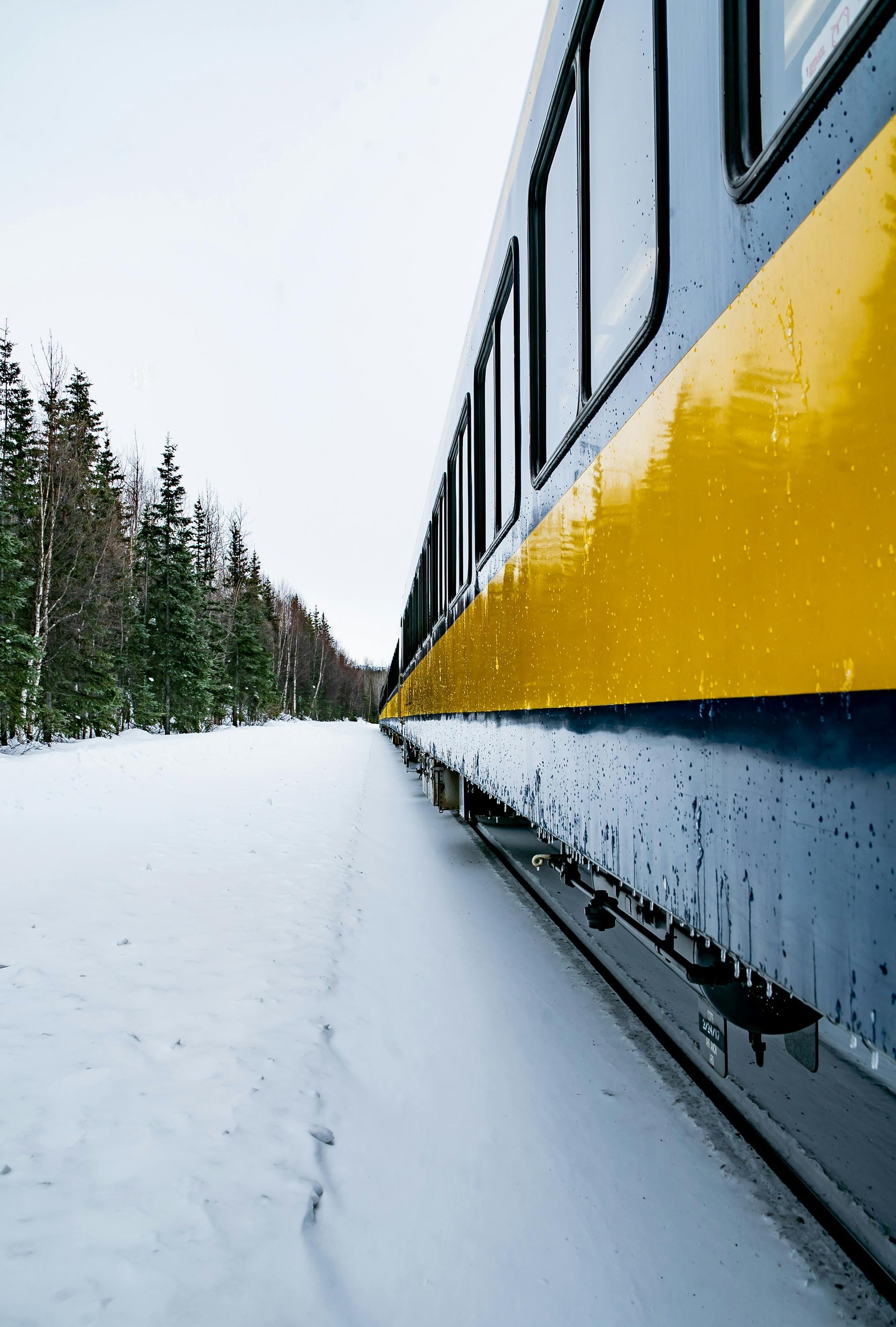
- A journey on the world-famous Alaska Railroad from Anchorage to Talkeetna.
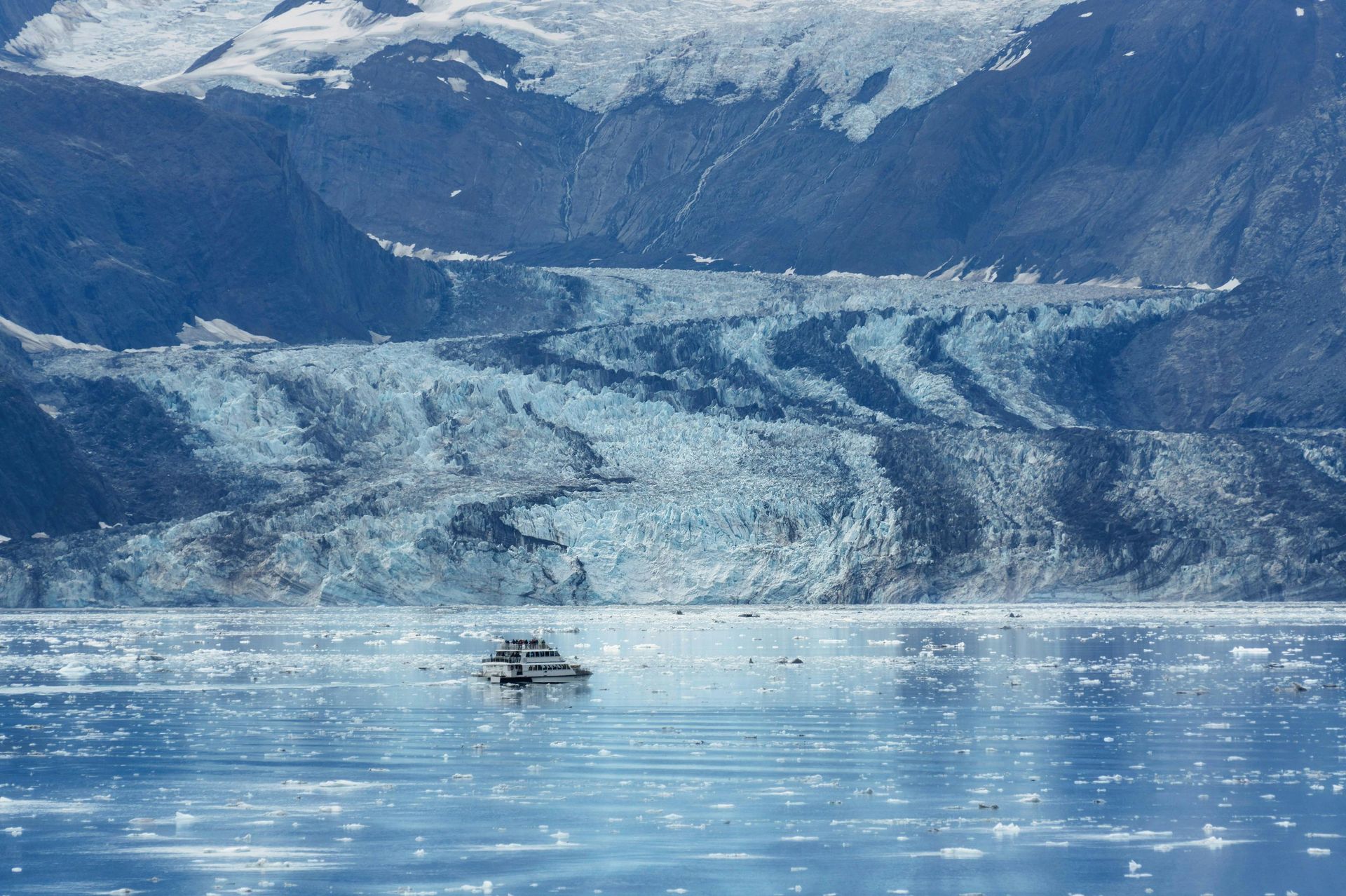
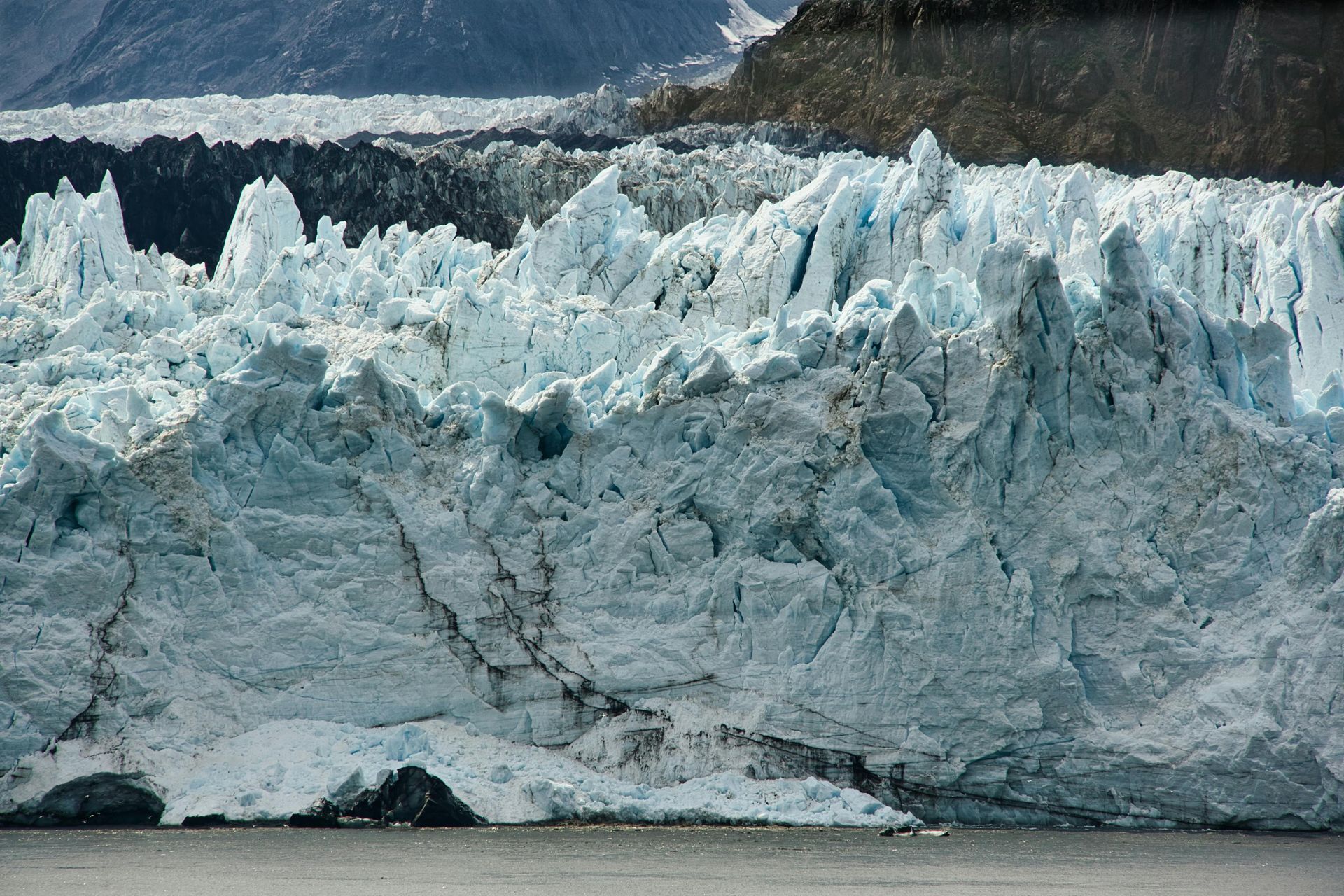
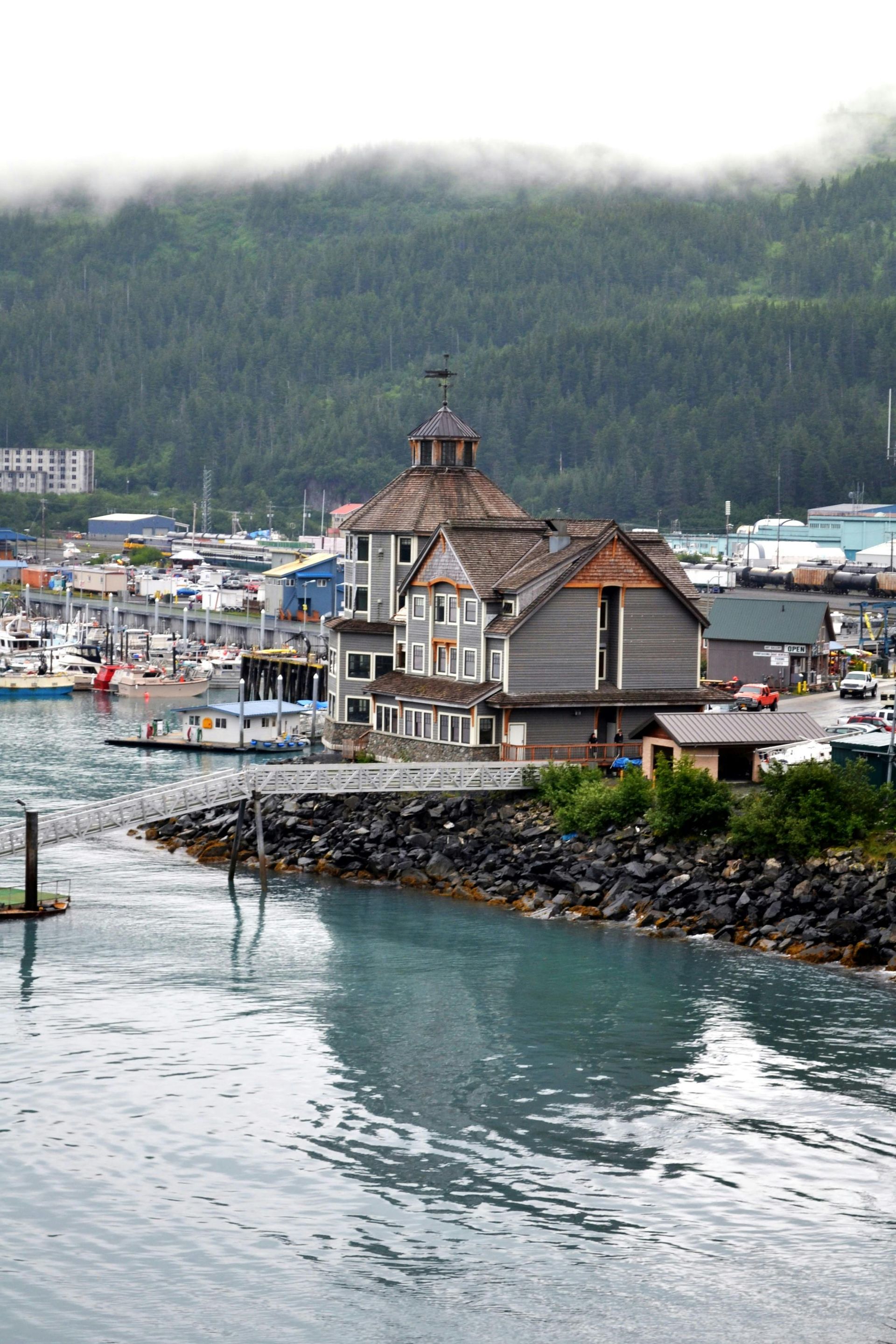
- An unforgettable cruise across magnificent Prince William Sound from Valdez to Whittier to get up close with the three-mile face of the Mears Glacier.
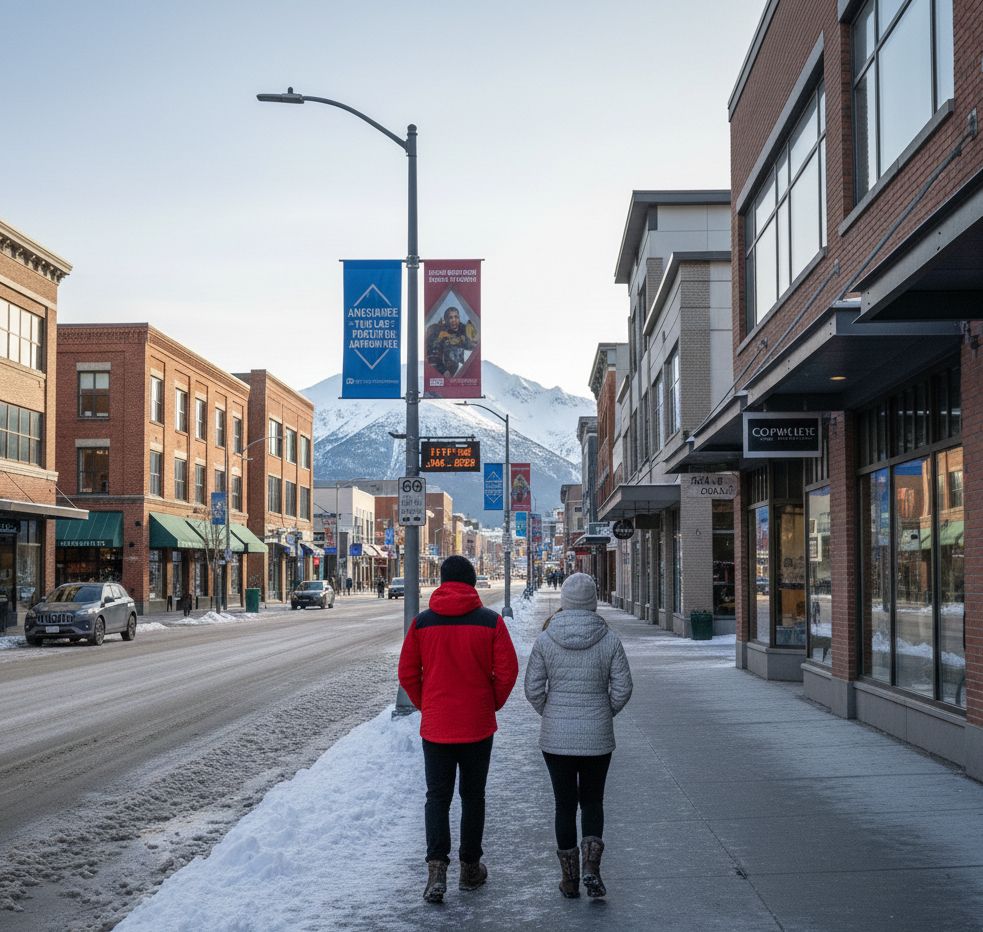
- Travel by a first-class, air-conditioned motorcoach for overland routes.
This multi-modal approach is essential for a place like Alaska. The train journey is designed for scenic immersion into Alaska's interior, while the Prince William Sound cruise is the only way to get face-to-face with the immense scale of coastal glaciers like the Mears Glacier. The motorcoach then provides the flexibility to traverse dramatic overland routes like the Denali Highway, ensuring the journey itself is as much a part of the adventure as the destinations.
4. You'll Find "Off the Beaten Path" Moments, Even in a Group
Another common concern with group travel is that you’ll be stuck on a rigid schedule, shuttled between crowded, mainstream tourist spots. This itinerary proved that a well-designed tour can offer a sophisticated blend of iconic highlights and authentic, "off the beaten path" experiences.
A prime example was the inclusion of a drive across the Denali Highway. The itinerary describes this as a "seldom-traveled road" that runs through the true wilderness, offering incredible scenery and opportunities for wildlife sightings away from the main thoroughfares. This is a journey many independent travelers might miss, but it was a core part of the tour's structure.
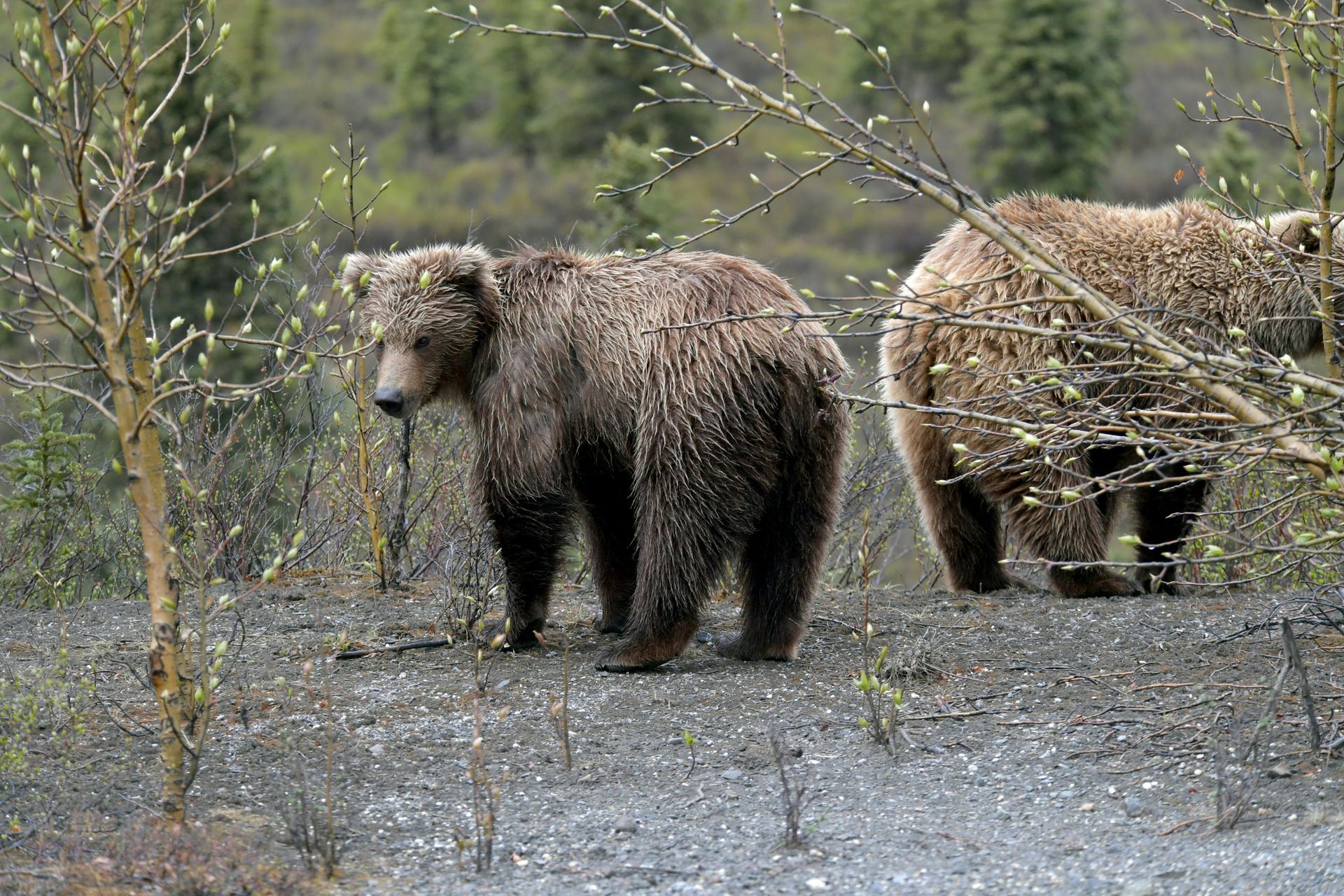
Furthermore, the itinerary balanced guided activities with opportunities for independent exploration. The schedule included a full free day in Denali National Park, allowing travelers to choose their own adventure. Options included hiking on wilderness trails, joining an optional wildlife tour to seek out grizzly bears and moose, or even taking a flightseeing trip for a bird's-eye view of the park. This blend of expert guidance and personal freedom ensures a richer, more personalized experience.
5. Alaska is More Than One Landscape
When many people picture Alaska, their minds go to icy tundra, massive glaciers, and snow-capped peaks. While those are certainly defining features, this itinerary highlighted the surprising diversity of the state's scenery with one vivid comparison.
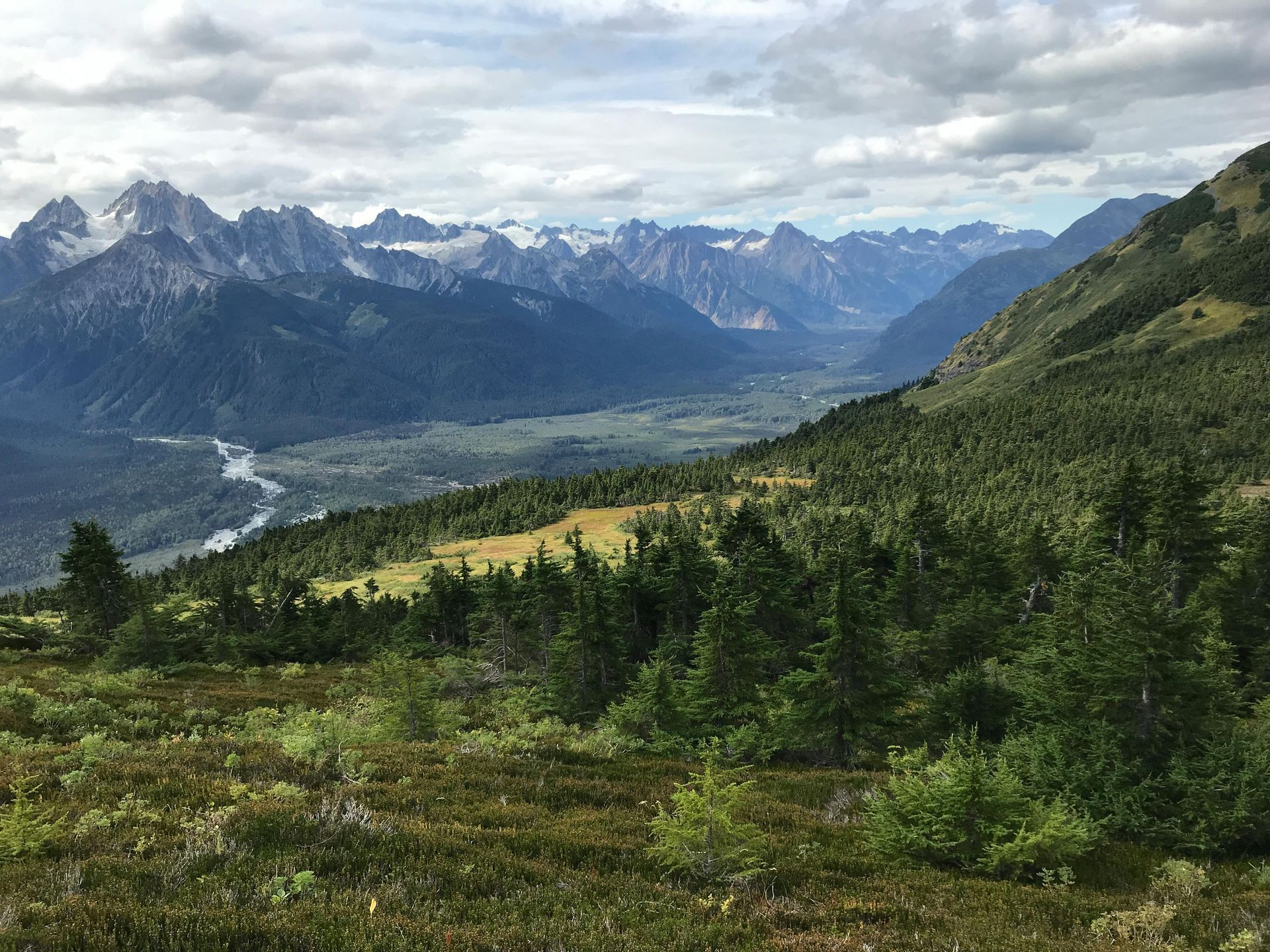
The tour included a stop in the town of Valdez, which is nicknamed "Alaska’s Switzerland." This isn't just a catchy phrase; it's because the area, nestled between the Chugach Mountains and Prince William Sound, features striking landscapes reminiscent of the Swiss Alps. This geographical context shows a different kind of alpine beauty than the rugged, sprawling wilderness of Denali.
This detail serves as a crucial reminder for any Alaska planner: don't limit your perception of the state to a single type of landscape. From the coastal fjords and sounds to the mountainous interiors that evoke a European feel, Alaska offers a range of stunning environments. A great itinerary will intentionally showcase this variety.
Conclusion: The Blueprint for a Better Adventure
Creating this professional travel proposal had me reaching into the expert's playbook. It reveals the thoughtful strategies that elevate a good trip into a great one. While this analysis focused on Alaska, the lessons are universal. These five principles—evaluating tour value vs. DIY, building in buffer days, analyzing transport modes, seeking blended itineraries, and looking for scenic diversity—are a blueprint for planning any complex, high-stakes trip, whether to Patagonia, New Zealand, or the Scottish Highlands.
I’m glad I looked into guided tours when planning this trip for my clients. When they told me they wanted to fly from the east coast to spend over a week in Alaska, and they are adventure-seekers who wanted to see and do as much as possible on a 4-figure budget, I had my work cut out for me. I tried to piece together a custom itinerary that checked all the boxes. Flights, hotels, activities - it was impossible! I started looking at various guided tours, and found many of them that were well within budget and had loads of adventure packed into them. When you can disperse costs among a large group, it really makes it more affordable for everyone. Even if you’re someone who thinks you wouldn’t have fun traveling in a group, I’d say try it out! You’ll get a big bang for your buck, but more importantly, you’ll have seen and done so much that you’ll come back home with memories you’ll never forget.